Lisbon Film Permits: Costs, Timelines, and Câmara Municipal Regulations
Here is a simple guide to Lisbon film permits, the costs and timelines. Lisbon is known for its beautiful golden light and unique architecture, making it one of Europe's most popular filming locations for movies, TV shows, commercials, and branded content. However, filming with professional cameras or production equipment on public streets and spaces usually requires official permission. Without the correct filming permit, your production could be delayed or stopped.
This guide explains everything you need to know about filming in Lisbon, including when a permit is required, how to apply, current application fees, processing times, insurance requirements, and the rules set by the Câmara Municipal de Lisboa (CML) and the Lisboa Film Commission.

1. When Do You Actually Need a Lisbon Film Permit?
The main rule for filming in Lisbon is simple: it depends on how much public space your production uses.
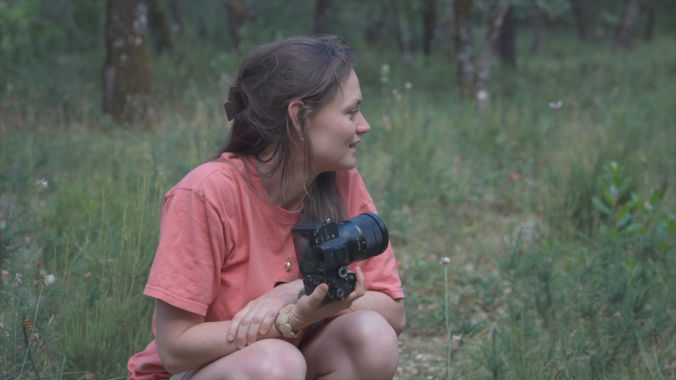
No permit needed: If you're filming for personal use with a small handheld camera and you're not making commercial content, you usually don't need a permit. The same applies to news crews covering live events. As long as you don't block footpaths, take up parking spaces, or set up equipment like tripods or lighting, you can usually film without permission.
Permit required: If you're filming a commercial, promotional video, film, TV show, or other professional production that uses equipment such as tripods, camera tracks, lighting stands, actors, reserved parking, or temporary road or street closures, you'll need approval from the Lisbon City Council before filming.

2. The Application Process: How to Apply for a Lisbon Film Permit
All applications to film in Lisbon's public spaces must be submitted through the Balcão Iniciativa Lisboa (BIL) or the Lisbon Film Commission.
Documents you'll need
To apply for a filming permit, you'll usually need to provide:
Filming application form – The official filming or photography application form provided by Lisbon City
Council.
Business details – A copy of your company's registration or tax identification (NIF). If you're an
international production company, it's common to work with a local production company or fixer who submits
the application for you.
Production plan – A clear description of your shoot, including the number of crew members, the equipment
you'll use, any temporary structures, and your filming schedule.
Location map – A map showing exactly where you'll be filming, where your equipment will be placed, and where
any production vehicles will be parked.
Public liability insurance – Proof that your production has valid public liability insurance.
How to apply
Applications are submitted online by emailing all of the required documents to the Lisbon City Council.
3. Timelines: Historic vs. Modern Zones
The time it takes to approve your filming permit depends on where you're filming, how big your production is, and whether it will affect the public.
Simple filming permits
Processing time: Usually 3 to 5 business days.
Best for: Small productions filming in modern areas with plenty of space, such as Parque das Nações.
Requirements: Your production should have a small crew, use lightweight equipment, and not block roads,
public transport, or pedestrian access.
Full filming permits
Processing time: Usually 10 to 15 business days, or longer for complex productions.
Best for: Busy historic areas such as Alfama, Bairro Alto, Chiado, and Baixa.
Requirements: You'll need a full permit if your production affects public spaces, including blocking streets
or footpaths, reserving parking for production vehicles, or filming at night with a special noise permit.
For these projects, it's best to apply at least two to three weeks before your filming date.

4. Filming Permit Costs and Fees in Lisbon
The cost of filming in Lisbon depends on the type of permit you need and how much public space your production uses. Fees usually include a fixed application charge plus a daily fee for occupying public areas.
Permit application fees
Full filming permit: €459.75 per application.
Simple permit / prior communication: €199.90 per application.
Public space occupation fees
If your production uses public space, additional daily charges may apply:
Up to 10 m²: €65.20 per day.
10 m² to 100 m²: An extra €4.65 per m² per day.
Over 100 m²: An extra €2.30 per m² per day.
Additional filming costs
Special noise permit: €200.10 if filming takes place outside normal hours (8:00 AM–8:00 PM).
Filming in Lisbon-owned locations (such as museums or palaces): Prices start from €151.63 per hour plus VAT.
Important: Lisbon's filming fees may change each year, so always check the latest rates before applying. Payments are usually made through the official payment reference provided by the city or by bank transfer.
5. Public Liability Insurance Requirements
Before you can get a filming permit in Lisbon, your production must have valid public liability insurance. This insurance protects the public, buildings, and city property if something goes wrong during filming.
Insurance requirements
Valid production insurance: Your company must have a Public Liability Insurance policy (Seguro de
Responsabilidade Civil) that specifically covers film and audiovisual production activities.
What the insurance must cover: The policy should protect against injuries to people, damage to property, and
any damage caused to public spaces or historic buildings during setup, filming, and equipment removal.
International productions: If you are using insurance from another country, you may need to provide a translated copy or an insurance certificate confirming that your policy covers filming activities in Portugal.
Having the correct insurance documentation is a required part of the Lisbon filming permit application process.
Tips for a Smooth Lisbon Shoot
Separate Your Drone Permits:
A municipal filming permit does not grant permission to fly a drone. Aerial shooting requires completely
separate clearances through the National Aeronautical Authority (AAN) and the National Civil Aviation
Authority (ANAC), which can add an extra 10 to 15 days to your pre-production timeline.
Exemptions for Cultural Projects:
If your video project is classified as non-commercial, educational, or provides cultural value directly to
the city of Lisbon, you can apply for a fee exemption. However, this exemption request must be submitted at
least 15 business days prior to logging your standard application.


Planning on Filming in Lisbon?
If you are planning a brand film, travel story, or creative project and want an experienced team on the ground to handle the planning and filming, head over to our Lisbon Video Services to check out our portfolio and get in touch.
katy@munjiri.com